
Empowering rural healthcare facilities with analytics & cost accounting solutions for financial sustainability.
Ledger & Oak, a veteran-owned consulting firm, is launching a pilot project to bring advanced analytics and cost accounting solutions to rural and community hospitals, starting in Texas, through contracted Decision Support.
Rural hospital data is worse than you think →The CHC CFO playbook →Solving the quiet problem →
INTRODUCTION
Our mission is to empower these hospitals with data-driven insights, enabling better financial and clinical decisions that enhance sustainability and patient care in rural communities.
Ledger & Oak, a veteran-owned consulting firm, is launching a pilot project to bring advanced analytics and cost accounting solutions to rural Texas hospitals through contracted Decision Support. Partnering with Oi Health (oihealth.com), we will implement their platform in five rural hospitals over a 9-month period.
While this pilot focuses on Texas, a successful implementation could scale to rural and small hospitals across the U.S. and potentially beyond, addressing a critical need in global rural healthcare. This pilot aims to prove the feasibility, value and impact of our fractional Decision Support model, fostering participation from rural hospitals and other stakeholders.
WHO THE PILOT IS FOR
Hospitals that need Decision Support but cannot staff it full time.
The pilot is built for rural and community hospitals that are not large enough to staff a full-time Decision Support team in-house. That includes critical access hospitals, sole community hospitals, Medicare-dependent hospitals and other small and independent hospitals, whether they sit in a rural county or a smaller market.
These hospitals typically have 100 beds or fewer, but size alone is not the test.
Rural hospitals remain the focus of this first Texas pilot, and we welcome conversations with any hospital that needs enterprise-level cost accounting without the enterprise-level staff.
KEY DEFINITIONS
Cost Accounting functions as an integral component of a robust DSS and is a key module in the Oi DSS platform.
- Decision Support: The process of providing timely, data-driven insights to inform operational and financial choices in rural healthcare, enabling facilities to optimize resources and enhance sustainability amid limited budgets and staffing.
- Decision Support System (DSS): Software that analyzes clinical, financial, and operational data to generate recommendations, such as identifying cost efficiencies in rural settings to support value-based care and revenue growth.
- Cost Accounting: The method of tracking, classifying, and analyzing direct (e.g., supplies, labor) and indirect (e.g., overhead) expenses for healthcare services, helping rural facilities pinpoint true service costs for better pricing and profitability.
- Cost Accounting as a Service (CaaS): A cloud-based or outsourced model delivering scalable cost analytics tools, allowing rural providers to access expert-driven solutions without in-house infrastructure, fostering affordability and strategic financial planning.
THE CHALLENGE: RURAL HOSPITALS' NEED FOR COST ACCOUNTING
Rural hospitals face significant financial and operational challenges, including limited resources, provider shortages and low reimbursements. Many operate at a loss, with frequent closures threatening community access to care. Unlike large hospitals, which have long utilized cost accounting systems to understand the true cost of care, rural facilities often lack the resources to implement such tools. This gap hinders their ability to negotiate contracts, benchmark physician performance, control cost and make strategic decisions that impact rural communities. Ledger & Oak addresses this gap by offering cost accounting as a service, leveraging a powerful web-based Decision Support platform to deliver enterprise-level insights remotely.
WHY COST ACCOUNTING MATTERS FOR RURAL HOSPITALS
Cost accounting in healthcare provides granular insights into the cost of care, linking clinical, financial, and statistical data. Knowing costs at the most discrete levels - down to individual procedures - and the ability to roll data into various categories (e.g., service lines, departments) is critical for effective hospital management.
DECISION SUPPORT SOFTWARE FOR RURAL HOSPITALS ENABLES
Rural hospitals face provider shortages, wage disparities and declining reimbursement effective rates, making these insights critical for financial sustainability and quality care.
- True Cost Accounting: Pinpointing inefficiencies to reduce costs without compromising care
- Contract Management: Negotiating better reimbursement rates with payers
- Flex Budgeting: per unit cost-based budgeting for effective variance analysis
- Service Line Analysis: Assessing profitability across custom categories
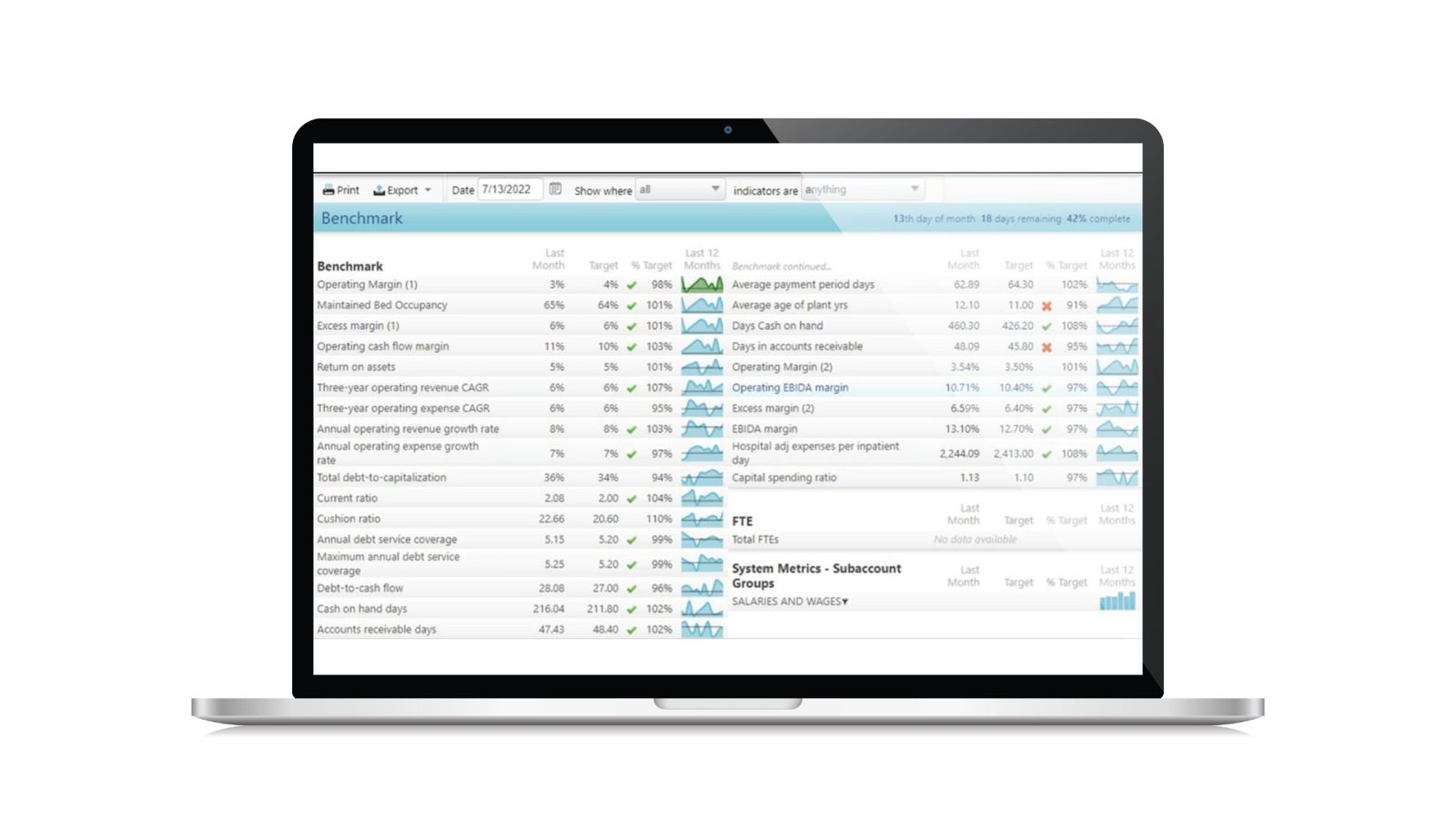
- Performance Benchmarking: Identifying efficiencies and areas for improvement
- Strategic Decision-Making: Supporting decisions that enhance community health outcomes
- Profit Identification: Every dollar counts for rural hospitals, where funding often relies on supplemental payment programs that fluctuate with legislation. Knowing where profits lie is key to long-term success.
THE SOLUTION: OI HEALTH PLATFORM AND FRACTIONAL SERVICES
PARTNERSHIP WITH OI HEALTH
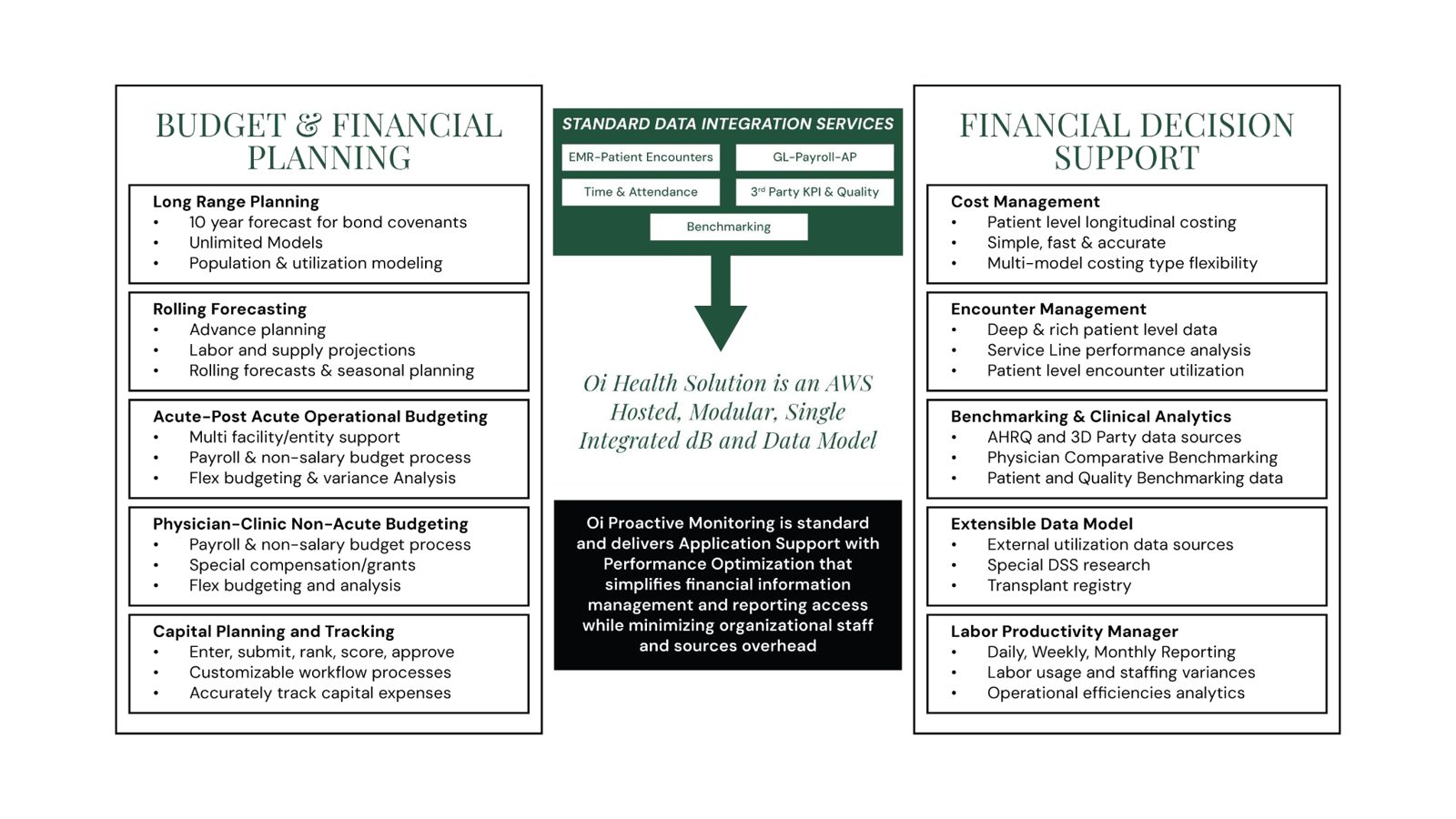
L&O has partnered with Oi Health, a leader in healthcare Decision Support systems, to implement their platform in rural hospitals. Oi Health unifies disparate data sources - such as income statements, payroll, and electronic health records (EHRs) - into a cloud-based system, ensuring security and compliance with industry standards. With L&O taking the bulk of the workload, the system requires little to no staffing, making it ideal for rural hospitals with limited resources and offers continuous monitoring to ensure reliability.
WHAT RURAL HOSPITALS PARTICIPATING IN THE PILOT CAN EXPECT
- L&O-Led Implementation: Ledger & Oak will handle the entire implementation process, minimizing the burden on hospital staff and administration.
- Data Extraction and Transformation: We will extract data from general ledger, EHR, and payroll systems, import it into the Oi Health Decision Support system and transform it into meaningful data for day-to-day operations.
- Utilization Plan: A comprehensive plan to fully utilize the system, ensuring hospitals actively leverage the platform to ensure a positive ROI.
- On-Time Reporting: Timely monthly reports, addressing the common issue of delayed reporting that impacts audits, cost reports and regulatory compliance, reducing the risk of penalties.
- Financial Clarity: Insights to identify profitable service lines, helping hospitals offset the financial pressures of fluctuating supplemental payment programs.
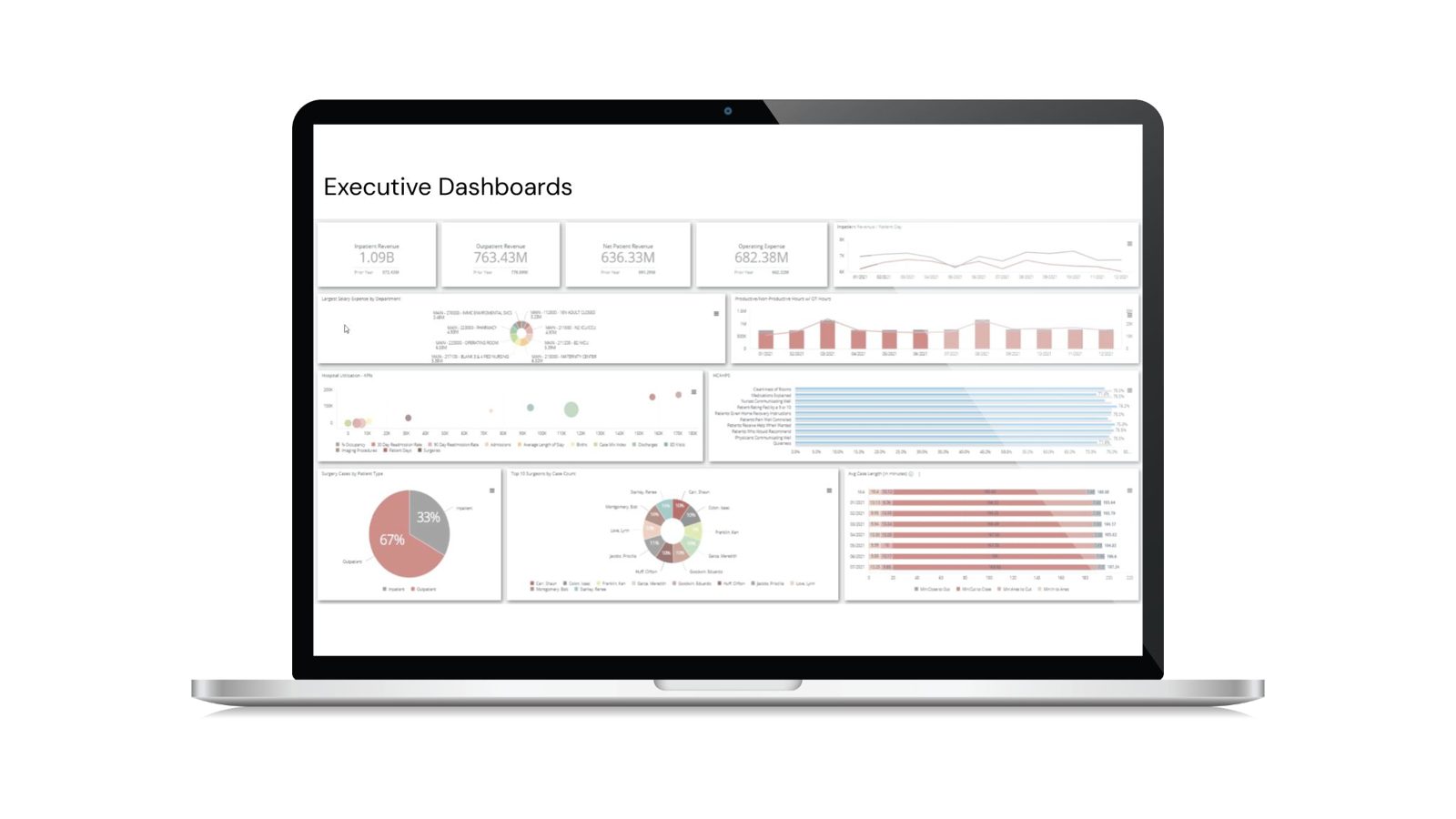
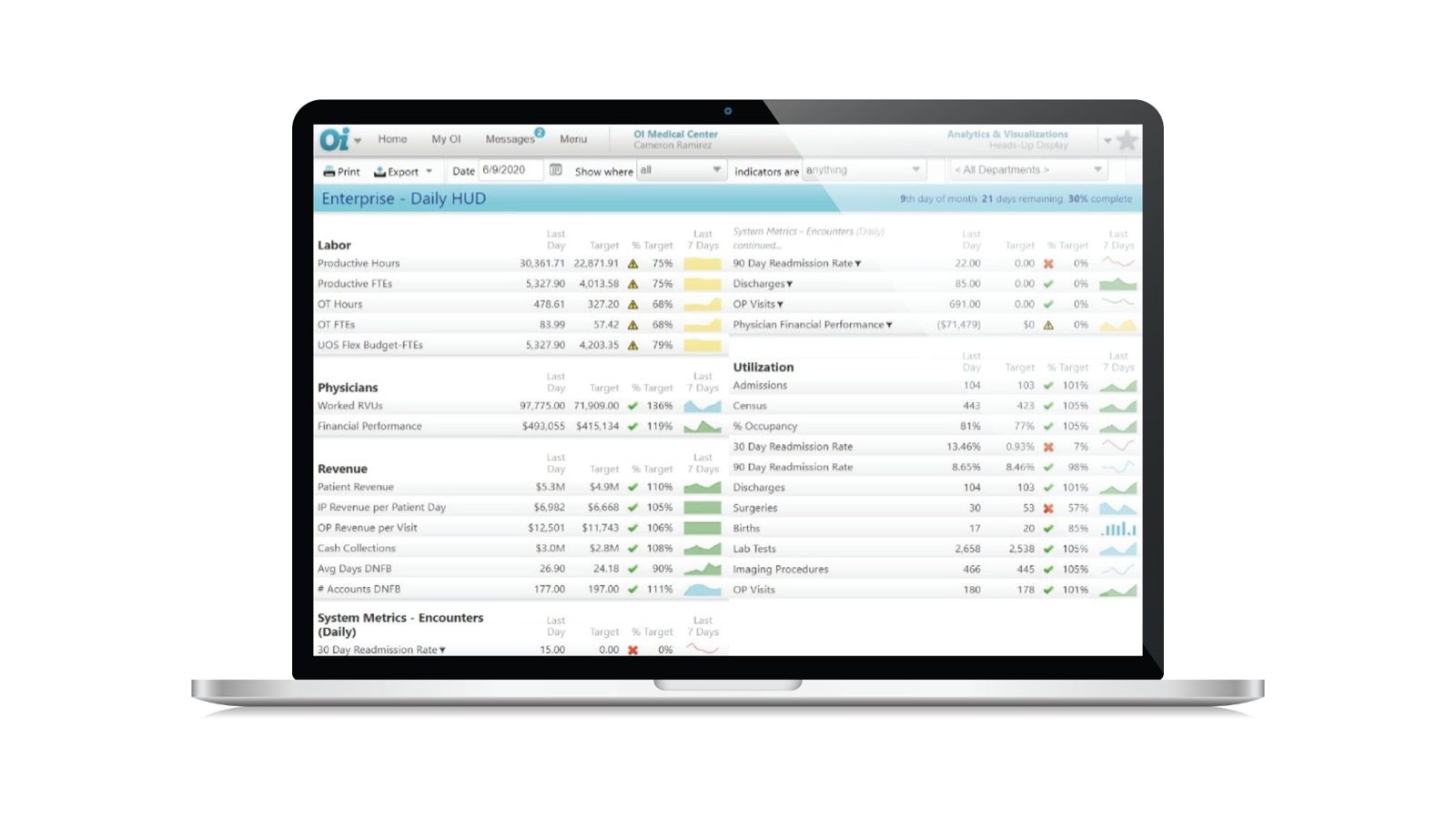
PLATFORM SERVICES
The pilot project will feature a select subset of the outlined services, with full implementation to follow in subsequent phases.
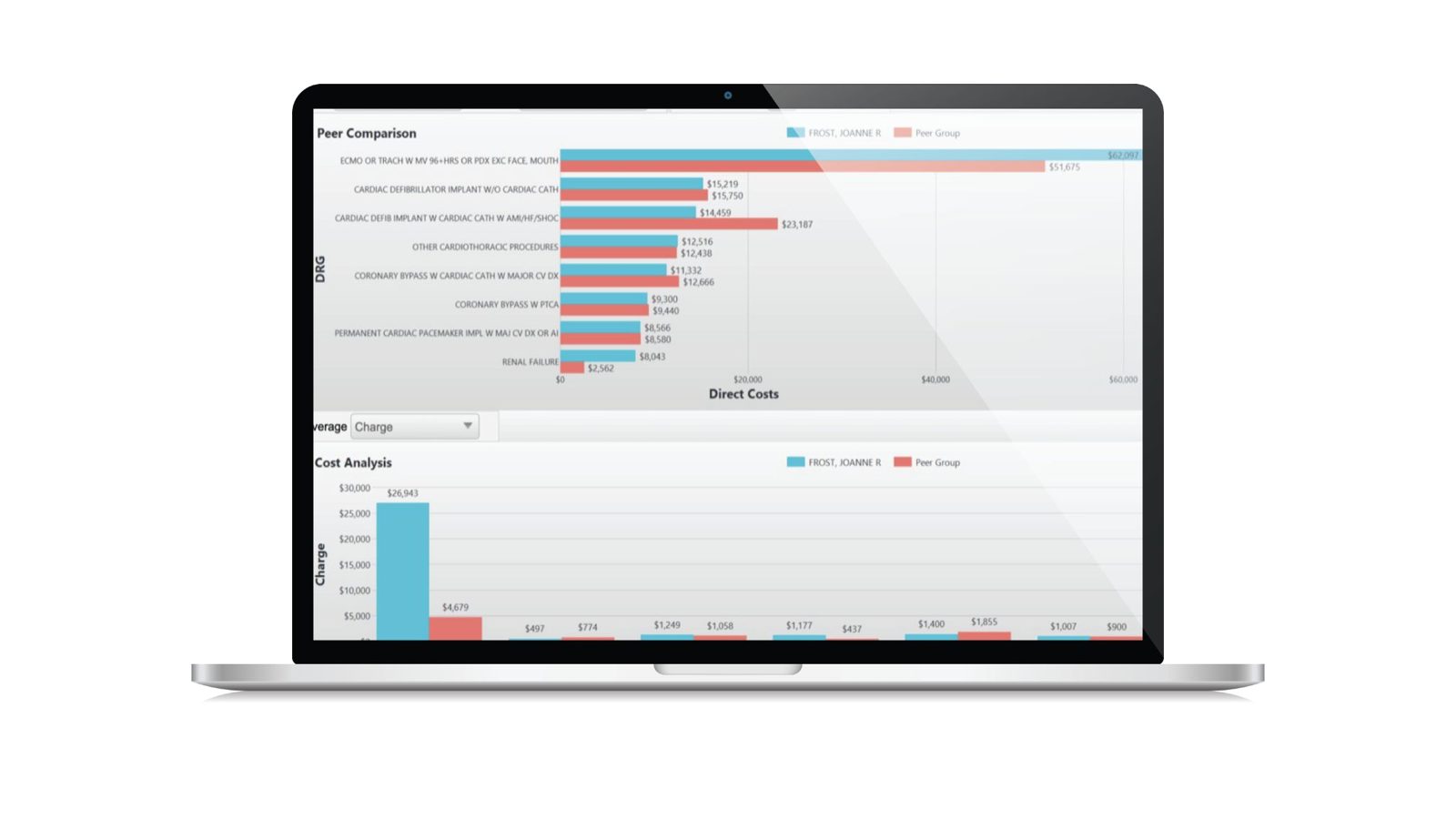
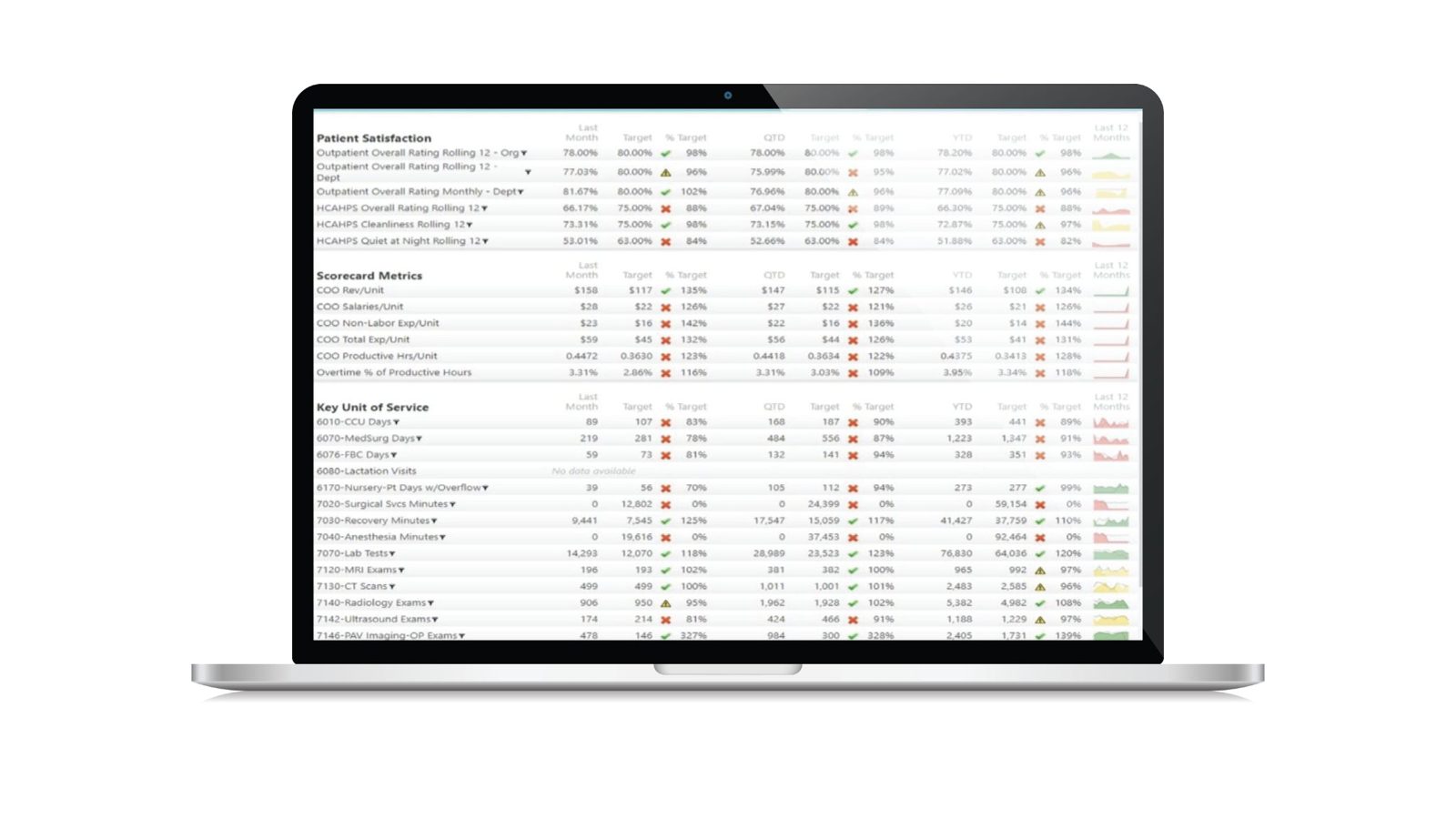
PILOT STRUCTURE & GOALS
The pilot will target up to five hospitals, selected based on their rural designation (e.g., counties with fewer than 68,750 residents or Critical Access Hospitals).
OVER 6-9 MONTHS, L&O WILL:
- Prove Data Access and Implementation Feasibility: Demonstrate secure access to hospital data and integration into the Oi Health platform, focusing on generating managerial insights without altering hospital data.
- Deliver a Valuable Monthly Product: Provide a monthly financial packet and/or dashboard for executive use, proving its worth and justifying a subscription fee.
- Determine Value and ROI: Assess the platform's impact on cost management, contract negotiations and physician performance, establishing a clear return on investment.
- Resolve Data Access and Import Issues: Address challenges in data integration, ensuring a scalable implementation process.
- Explore a Shared Data Warehouse: Investigate the feasibility of a shared data warehouse to discreetly and securely store de-identified data, isolating each hospital's information while managing a single software instance with multiple locations to drive costs down; this theory aims to determine if small hospitals can achieve a positive ROI in a shared Decision Support system.
TIMELINE
Identify & engage 5 rural hospitals, securing pilot contracts.
Implement the Oi Health platform, integrating hospital data & ensuring functionality.
Test, refine, & resolve any issues with data access, import, or reporting.
Deliver a financial packet &/or dashboard for executive use, showcasing actionable insights for hospital leadership.
FRACTIONAL SERVICES MODEL
The fractional nature of Ledger & Oak's business is central to this pilot. L&O will act as an intermediary, hosting the Oi Health platform and providing ongoing contracted Decision Support for a subscription fee.
Oi Health has agreed to minimize pricing for the pilot, enabling implementation at a nominal cost. Post-pilot, we will collaborate to develop an affordable pricing model for small hospitals. Ad hoc analysis will be available at an hourly rate, offering flexibility. This cost accounting as a service model allows rural hospitals to access advanced expertise without hiring full-time staff, addressing their resource constraints.
RISK MITIGATION
To ensure the pilot's success, L&O will implement several risk mitigation strategies.
- Data Compatibility Assessment: Conduct a pre-implementation review of each hospital's systems for compatibility with Oi Health's platform, identifying potential barriers early.
- Backup Data Extraction Methods: Establish manual extraction or third-party API integration as contingency plans if automated extraction fails.
- Cybersecurity Assurance: Employ encryption protocols and regular audits to ensure data security, addressing concerns about EHR data sensitivity.
- Timeline Flexibility: Build buffer periods into the timeline to handle unexpected delays, such as hospital staff availability or data migration issues
DATA SECURITY & MANAGEMENT
A key exploration in this pilot is the potential for a single data warehouse to securely store de-identified hospital data, isolating each location's information while managing a single software instance with multiple locations. This theory, aimed at determining if small hospitals can achieve a positive ROI in a shared Decision Support system, will be a key deliverable metric of success. This approach seeks to drive costs down by streamlining operations, ensuring all patient data is de-identified and each hospital's data remains confidential and secure.
If successful, a single instance of the software could allow multiple small hospitals to participate and benefit from the value of a true Decision Support system at a fraction of the traditional cost.
METRICS FOR SUCCESS
L&O will evaluate the pilot's success using flexible metrics, acknowledging the short pilot window may limit full ROI calculations:
- Implementation Success Rate: Target 100% of hospitals successfully integrated.
- Data Extraction Reliability: Aim for a 100% success rate in data extraction, measured by reconciliations to the original datasets.
- Report Delivery Timeliness: Achieve 100% on-time monthly report delivery.
- Hospital Satisfaction: Collect qualitative feedback via surveys/interviews, targeting an average 4/5 satisfaction rating.
- Data Warehouse Feasibility: Determine if a single data warehouse model is viable for very small hospitals, providing a clear recommendation.
ADDRESSABLE MARKET
The addressable market for L&O's contracted Decision Support services is substantial, targeting rural and small hospitals across the United States, with potential for international expansion.
According to the Rural Health Information Hub, there are approximately 1,800 rural hospitals in the U.S., defined as those in non-metropolitan areas or designated as Critical Access Hospitals (CAHs), Sole Community Hospitals, or Rural Referral Centers with 100 or fewer beds. The Kaiser Family Foundation (KFF) reports estimate that around 40% of all U.S. hospitals are rural, with a significant concentration in states like Texas, Iowa, Kansas, and Minnesota. Texas alone has over 150 rural hospitals, making it an ideal pilot location, but the broader U.S. market includes thousands of facilities facing similar challenges.
Small hospitals, often overlapping with rural ones, include those with fewer than 100 beds. The American Hospital Association (AHA) indicates that about 35% of U.S. hospitals (around 2,100) have fewer than 100 beds, many of which are in rural areas but also include small urban facilities. These hospitals collectively serve over 46 million Americans in rural areas, where healthcare access is limited, and financial pressures are acute. A KFF report highlights that 429 rural hospitals are at high financial risk, with over 100 closures in the past decade, underscoring the urgent need for cost accounting solutions to improve financial sustainability.
THE MARKET OPPORTUNITY IS DRIVEN BY SEVERAL FACTORS
- Financial Strain: Rural hospitals often operate on thin margins, with 34% located in non-Medicaid expansion states like Texas, where uncompensated care costs are high. A potential Medicaid expansion could reduce uncompensated care, increasing demand for cost accounting tools to optimize reimbursements. Regardless, detailed costs reports are required to maximize all forms of reimbursement.
- Regulatory Pressures: The AHA notes complex regulatory environments requiring compliance, which cost accounting can support by providing data for audits and cost reports.
- Technology Adoption: Advances in cloud-based platforms, like Oi Health's, make Decision Support tools accessible remotely, a critical factor for rural hospitals lacking IT resources. The U.S. health-tech market, growing due to digital health adoption post-COVID, offers a favorable environment for scaling such solutions.
If the Texas pilot succeeds, L&O's model could expand to all 1,800 rural hospitals and 2,100 small hospitals nationwide, potentially addressing a market of over 3,000 facilities. The pilot will build a solid roadmap for scalability, identifying challenges and solutions to ensure successful nationwide expansion.
LEDGER & OAK'S ROLE & EXPERTISE
His commitment to ownership, accountability, and continuous learning ensures that Ledger & Oak delivers solutions tailored to rural hospitals' needs.
JASON CANNADAY'S BACKGROUND
Founded by Jason Cannaday, a service-disabled U.S. Army veteran with over 18 years of leadership in healthcare finance, Ledger & Oak brings unparalleled expertise to this pilot.
Jason began his career at University Medical Center in Lubbock, Texas, rising to Senior Financial Analyst. There, he played a pivotal role in building the Decision Support team and successfully implemented multiple Decision Support platforms that managed: operational flex budgeting & variance analysis, capital budgeting & management, productivity tracking & analysis, benchmarking and payor contracts modeling. He also developed sophisticated net revenue models by translating commercial reimbursement contracts and cost accounting methodologies into mathematical frameworks, enabling accurate predictions of net revenue and analysis of financial impacts from patient mix, volume, and payer composition.
Later, as the Chief Financial Officer for a behavioral health facility, Jason led a team that included finance, accounting, grant management, purchasing and information technology. Here, he was charged with the task of upgrading all infrastructure to better produce meaningful data insights, custom reporting and enhanced operational decision-making.
This experience directly informs the pilot, as Jason now leverages cloud technology to deliver similar capabilities - remotely - and on a fractional basis to rural hospitals, ensuring scalable, long-term support for financial clarity and sustainability.
Jason's entrepreneurial ventures highlight his versatility, from co-founding an education services firm facilitating global exchanges to securing funding for a cybersecurity SaaS platform and guiding financial strategy for startups and non-profits.
L&O'S ROLE
L&O's fractional model offers a unique advantage, combining advanced technology with Jason's 18+ years of healthcare finance expertise, providing personalized support that generic platforms can't match.
Ledger & Oak will host the Oi Health platform, providing ongoing maintenance and support as a fractional service. We will not make decisions for hospitals or edit data (e.g., general ledger, EHR); instead, we will use their data to generate managerial insights for leadership. This includes cost analyses at the procedure and patient level, enabling hospitals to manage contracts, physician performance and operations more effectively & efficiently. L&O will collaborate with hospital staff to ensure seamless data integration, deliver monthly reports and offer ad hoc analysis to address the unique challenges of rural healthcare.
Our rural-specific focus ensures solutions are tailored to the unique needs of small hospitals, such as minimal staffing requirements and remote accessibility. The potential single data warehouse model, if proven viable, could further reduce costs compared to traditional in-house implementations, making cost accounting as a service more affordable for rural facilities.
Let's transform rural healthcare with precision and vision.
Ledger & Oak invites rural Texas hospitals to join this groundbreaking pilot. Those interested in exploring partnership opportunities are also encouraged to reach out.
Founder & Chief Financial Architect
FROM THE DESK OF OUR FOUNDER
Read the thinking behind the work.
Rural hospital data is worse than you think
What we learned building a Decision Support model for facilities the industry has overlooked.
Read on LinkedIn →The CHC CFO playbook
Turning the $50 billion Rural Health Transformation Program into real-time financial intelligence.
Read on Blackbaud →Solving the quiet problem
Turning your new financial infrastructure into true cost intelligence.
Read on Blackbaud →